Unimagined Horror
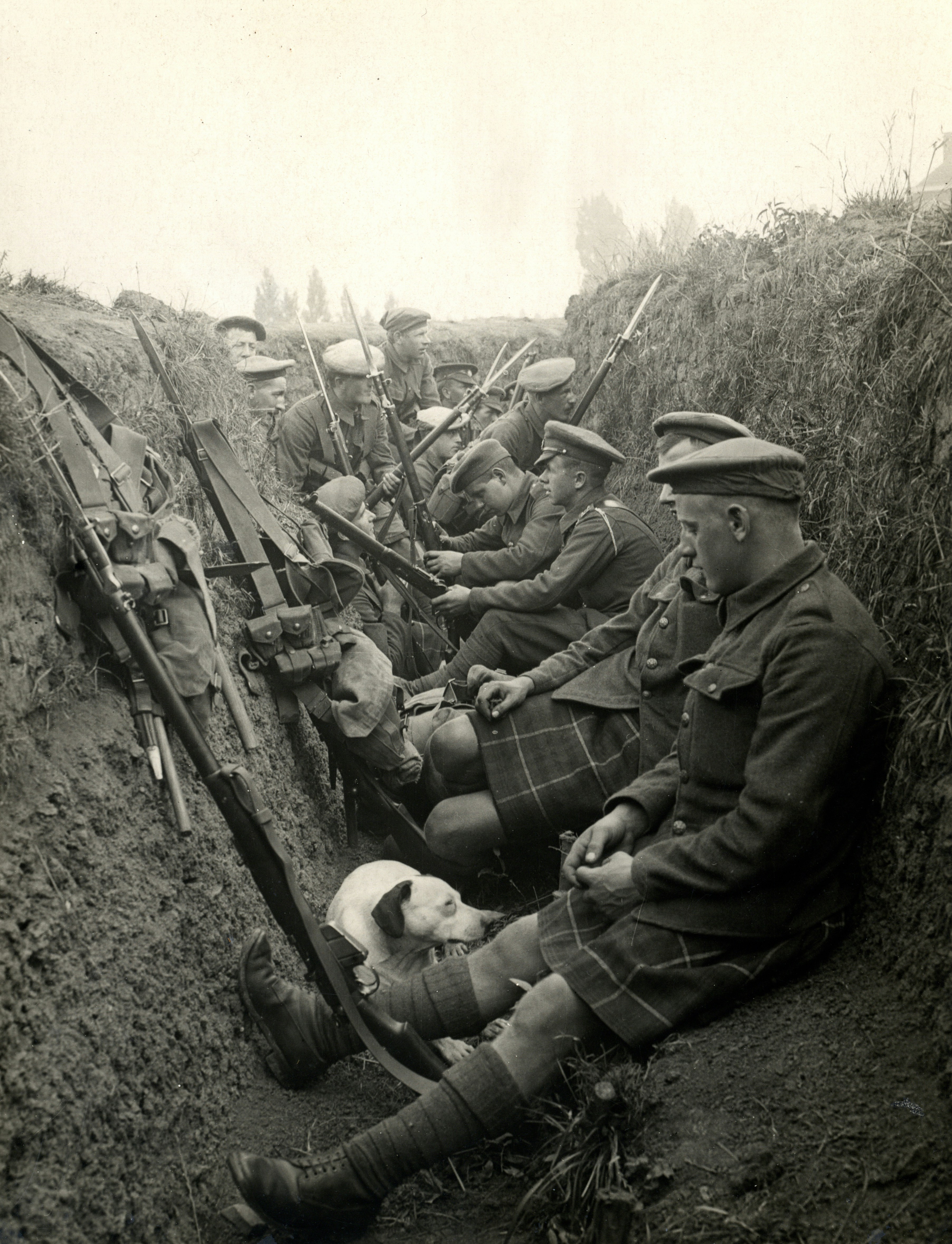 Photo by British Library on Unsplash
The Pulitzer organization recently reran the award-winning pieces by Seymour Hersh that broke the My Lai Massacre story in 1969. They were republished, I believe, to mark the occasion of Lt. William Calley’s death. I read them on my lunch break – not a good idea. The horrors described in the pieces are nauseating.
I’ve found myself reading war stories recently. Louis-Ferdinand Céline’s World War I novel Guerre was recently published based on a long-lost manuscript. After that, I read the classic German novel, All Quiet on the Western Front. Both books paint a sickening picture of a grotesque and unnecessary war. The protagonists in both stories see the futility of it all, and both represent different sides of the conflict.
Why do I read this? It’s not uplifting. It’s not hopeful. It doesn’t improve my view of the world. Perhaps it gives me a perspective on how bad it can get, which raises my perception of my current situation. Maybe. But I don’t think that’s it.
As I read these horror stories, I think: It could never be me. I would never impale a soldier on my bayonet. I’d never shoot a villager in cold blood. But what I lack is imagination. Were I soaking wet in a trench in Normandy, ragged after three sleepless nights during an artillery barrage, would I not be willing to kill whatever person came through the barbed wire? Were I trekking through the Vietnamese jungle for 40 long days, strung out after watching my friends be gunned down and blown up by mines, would I not shoot anything that moved in the next village? In these situations, would I follow orders that I know are immoral? I say No, and I hope it’s true, but I’m probably kidding myself.
I read these stories because they are mirrors. They show me a side of humanity, and by extension myself, that I never want to see. But it’s always there, an unimagined horror.